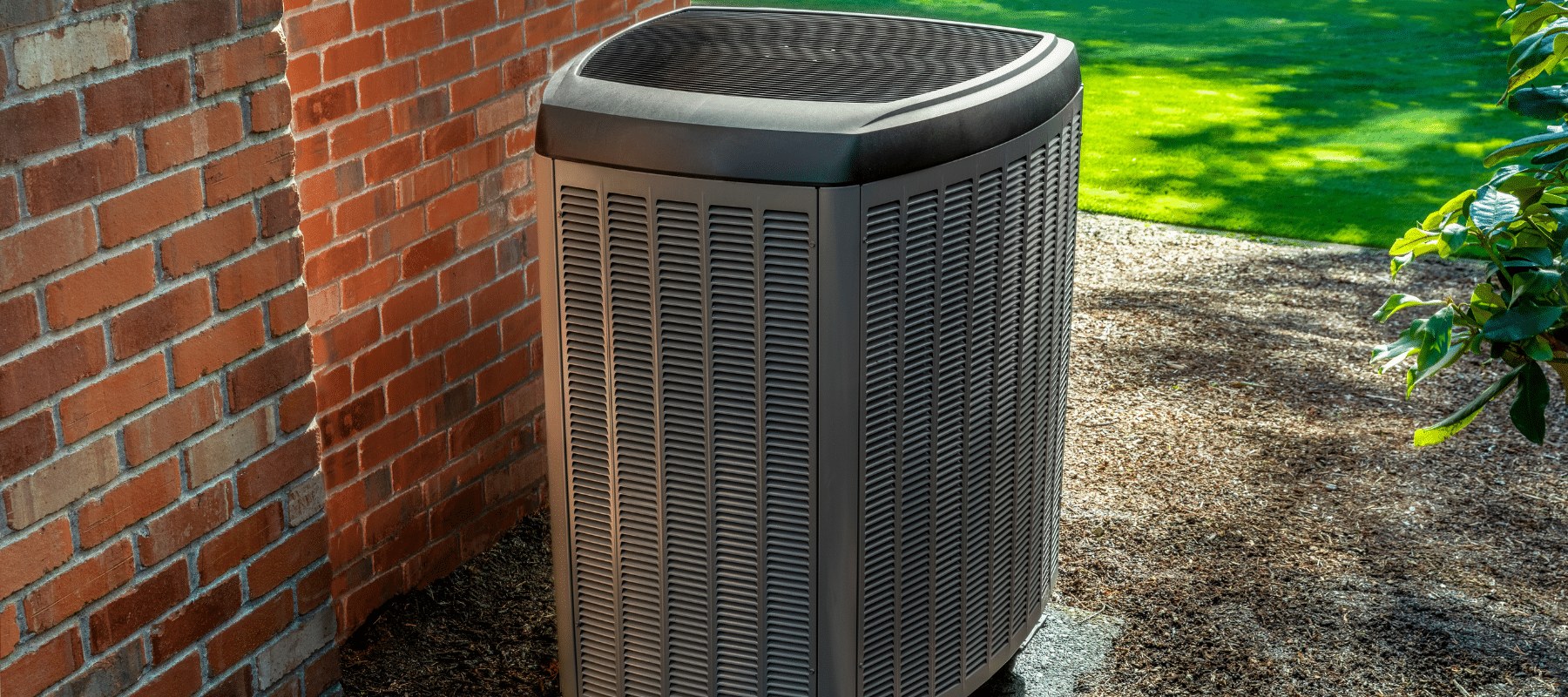
Heat Pump Installation & Repair in San Antonio, TX
Your heat pump works through San Antonio’s hottest afternoons and cooler winter nights. When it cannot keep up, runs nonstop, or stops working altogether, Air & Drain Works can identify the cause and help you choose the right solution.
Our licensed HVAC technicians provide heat pump repair, replacement, installation, and maintenance throughout San Antonio and surrounding communities. We inspect the system carefully, explain what we find, and offer clear recommendations based on your home, equipment, and comfort needs.
For prompt service, call today for heat pump repair in San Antonio or schedule an estimate for a new heat pump installation.
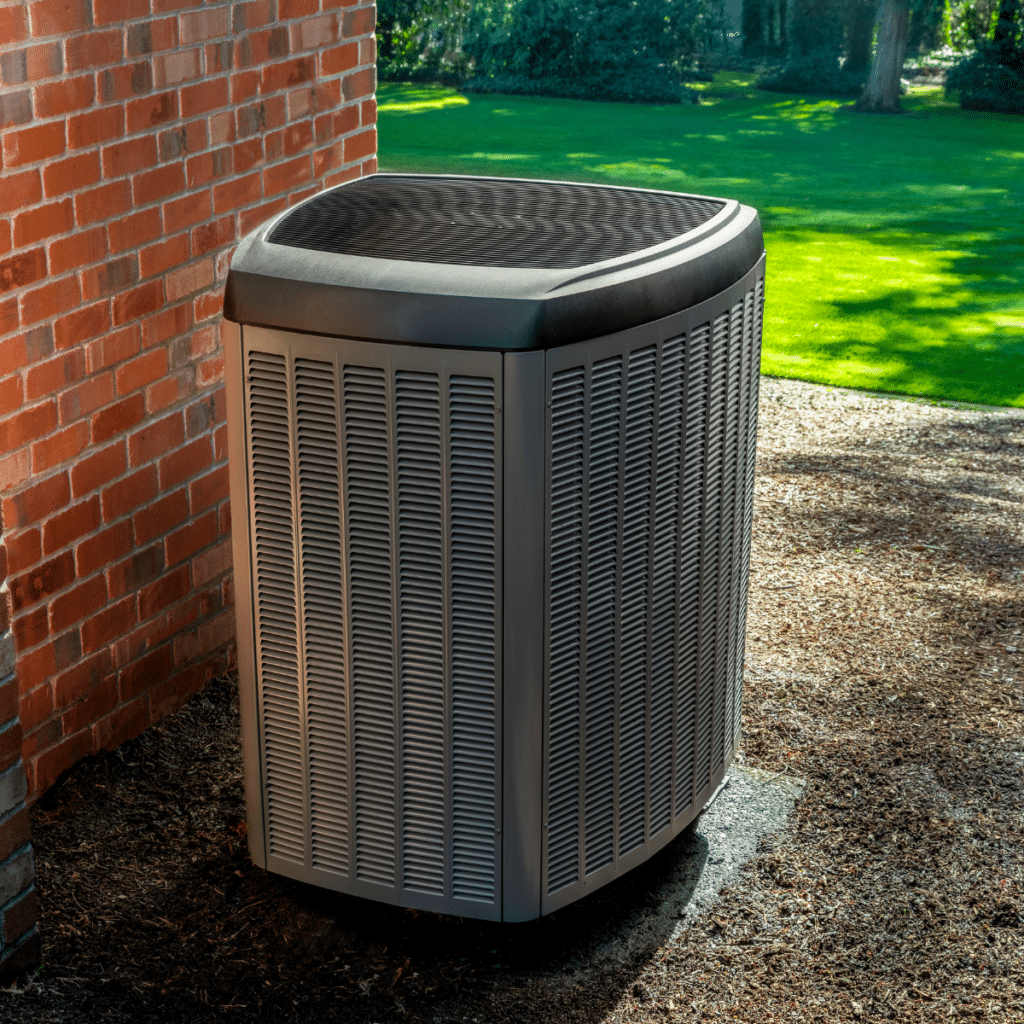
Heat Pump Repair in San Antonio
A heat pump provides both heating and cooling, so a single malfunction can cause problems throughout the year. Low refrigerant may affect summer cooling and winter heating. Restricted airflow can create uneven temperatures, longer run times, and extra wear on the system.
Air & Drain Works repairs heat pumps that make unusual noises, cycle too often, produce weak airflow, or fail to maintain the thermostat setting. Our technicians look for the source of the problem instead of replacing parts without a complete diagnosis.
Common Signs of a Heat Pump Problem
Schedule heat pump service when you notice:
- Warm air coming from the vents in cooling mode
- Cool air blowing while the thermostat is set to heat
- Weak airflow
- Hot or cold rooms
- Short, frequent operating cycles
- A system that runs for long periods without reaching the set temperature
- Grinding, squealing, buzzing, or rattling sounds
- Ice that remains on the outdoor unit
- A thermostat that does not respond
- An unexplained increase in energy use
- Auxiliary heat that runs frequently
- A system that cannot switch between heating and cooling
A struggling heat pump often puts extra pressure on its compressor, blower motor, electrical controls, and other components. Prompt repairs can limit further damage and restore comfort before the problem becomes more expensive.
Schedule heat pump repair today. Air & Drain Works – Works for You!
Our Heat Pump Diagnostic Process
Accurate repairs start with an accurate diagnosis. Our technicians test the system before recommending work.
Depending on the problem, the inspection may include:
- Checking thermostat settings and communication
- Testing heating and cooling operation
- Inspecting wiring, capacitors, relays, and electrical controls
- Measuring airflow
- Checking the blower assembly
- Evaluating refrigerant performance
- Looking for signs of a refrigerant leak
- Inspecting the indoor and outdoor coils
- Testing the compressor
- Checking the reversing valve
- Confirming defrost operation
- Inspecting the condensate drain
After the inspection, we explain the issue in plain language. You will know what failed, why it matters, and which repair options are available before you approve the work.
Emergency Heat Pump Service
A heat pump failure can become urgent during a summer heat wave or a sharp winter temperature drop. Air & Drain Works offers 24/7 emergency HVAC service for problems that cannot wait until regular business hours.
- The heat pump will not turn on
- Indoor temperatures are becoming unsafe
- The unit repeatedly trips a circuit breaker
- You smell burning
- Heavy ice remains on the outdoor equipment
- The system makes a loud electrical or mechanical noise
Turn the equipment off if you suspect an electrical problem or notice a burning odor. Then call Air & Drain Works for service.
Heat Pump Installation in San Antonio
The right heat pump can cool and heat your home with one efficient system. Good results depend on proper equipment selection, sizing, ductwork, electrical capacity, and installation quality.
Air & Drain Works provides heat pump installation in San Antonio for homeowners replacing aging equipment, moving to an all-electric HVAC system, or adding comfort to a space that needs its own temperature control.
Is a Heat Pump a Good Fit for Your Home?
Heat pumps suit many San Antonio homes because they provide powerful cooling during the long summer season and reverse operation to produce heat during cooler weather.
Before recommending equipment, we evaluate:
- Home size and floor plan
- Existing ductwork
- Insulation levels
- Air leakage
- Electrical capacity
- Rooms that stay too hot or too cold
- Humidity concerns
- Existing HVAC equipment
- Energy goals
- Budget and financing preferences
A central air-source heat pump connects to ductwork and an indoor air handler. A ductless heat pump can serve additions, workshops, converted garages, older homes without usable ducts, or rooms that need separate temperature settings.
Correct Heat Pump Sizing Matters
A heat pump should not be chosen based on square footage alone. Accurate sizing also accounts for ceiling height, windows, sun exposure, insulation, air leakage, duct condition, and the home’s layout.
An undersized unit may run for hours and still struggle to keep the home comfortable. An oversized unit may turn on and off too quickly, create temperature swings, and remove less humidity from the air.
Our technicians evaluate the home before recommending a system. Proper sizing supports steady comfort, reasonable energy use, and longer equipment life.
What Happens During Heat Pump Installation?
Every installation starts with a review of the home and the existing HVAC setup. Our process may include:
- Inspecting the current equipment and discussing comfort problems.
- Calculating the home’s heating and cooling requirements.
- Comparing equipment sizes, efficiency ratings, and features.
- Checking ductwork, insulation, electrical service, and equipment access.
- Providing a written estimate for the recommended work.
- Removing old equipment when needed.
- Installing the indoor and outdoor units.
- Connecting refrigerant lines, wiring, drainage, and thermostat controls.
- Testing airflow, temperatures, refrigerant performance, and system operation.
- Reviewing thermostat use, filter care, maintenance, and warranty details.
Project length depends on the equipment, electrical needs, ductwork condition, installation location, and any changes required to the system design. We test the completed installation before we consider the job finished.
Heat Pump Installation Cost Factors
Heat pump installation costs vary because every home and project is different. The final price may depend on:
- Equipment size
- Efficiency rating
- Single-stage, two-stage, or variable-speed operation
- Central or ductless configuration
- Ductwork repairs or replacement
- Electrical improvements
- Thermostat and control upgrades
- Equipment accessibility
- Removal of the existing system
- Overall installation complexity
Air & Drain Works offers free estimates for qualifying projects and multiple financing options. Our Price Assurance Guarantee may also help you secure a competitive value. We may beat an equivalent written estimate from a reputable competitor by up to 10% after confirming that the proposed equipment and scope of work are comparable.
The cheapest estimate can leave out work required for a dependable installation. We help you compare equipment quality, warranties, installation requirements, expected performance, and long-term operating needs.
Call today to request a heat pump installation estimate in San Antonio.
Heat Pump Repair or Replacement?
Repairing the system may make sense when the equipment has performed reliably, the current problem is limited, and the major components remain in good condition. Replacement may provide better value when breakdowns become frequent or the system can no longer maintain comfortable temperatures.
A faulty thermostat, relay, or capacitor may call for a straightforward repair. A major component failure in an aging system may make replacement the smarter financial decision.
Our technicians explain the available paths without pressuring you. You receive the information needed to choose the option that makes sense for your home.
Why Heat Pumps Suit the San Antonio Climate
A heat pump transfers heat between the inside and outside of your home. In cooling mode, it removes heat from the indoor air and releases it outdoors. In heating mode, the refrigerant cycle reverses and brings available outdoor heat into the home.
This setup works well for many homes in San Antonio. The system handles cooling through the extended warm season and provides heat during mild winter weather. Properly selected equipment can also support comfort during the occasional cold front.
The equipment alone does not determine performance. Comfort and energy use also depend on:
- Accurate system sizing
- Professional installation
- Good airflow
- Sealed and properly sized ductwork
- Adequate insulation
- Correct refrigerant charge
- Clean coils and filters
- Thermostat settings
A heat pump may struggle if it is too small, has low refrigerant, receives poor airflow, or connects to damaged ductwork. Frequent auxiliary heat use may also point to an equipment, control, or home-efficiency problem.
Air & Drain Works evaluates the whole system so the recommendation addresses the source of the comfort issue.
How a Heat Pump Heats and Cools Your Home
Heat pumps use refrigerant to collect and release heat. Several components work together to complete that process:
- Outdoor unit: Houses the outdoor coil, fan, and compressor.
- Indoor air handler: Moves heated or cooled air through the home.
- Refrigerant: Absorbs and carries heat.
- Compressor: Circulates refrigerant through the system.
- Expansion device: Regulates refrigerant pressure and flow.
- Reversing valve: Changes the system between heating and cooling.
During the summer, refrigerant absorbs heat at the indoor coil. The system moves that heat outside and releases it through the outdoor coil.
During the winter, the reversing valve changes the direction of the cycle. The outdoor unit collects available heat and transfers it indoors.
Problems with refrigerant, airflow, electrical controls, the compressor, or the reversing valve can affect one or both operating modes. A full system inspection helps the technician find the correct cause.
Heat Pump Maintenance in San Antonio
Heat pumps operate during both heating and cooling seasons. That workload makes routine service important for dependable year-round performance.
Maintenance gives a technician the chance to find worn components, electrical issues, airflow restrictions, and performance changes before they cause a breakdown.
How Often Does a Heat Pump Need Maintenance?
Air & Drain Works recommends professional heat pump maintenance twice each year.
A spring tune-up prepares the system for San Antonio’s heavy cooling season. A fall visit checks heating performance, auxiliary heat, defrost controls, and the reversing valve before temperatures fall.
Maintenance cannot eliminate every repair. It can reduce preventable strain and reveal developing problems before they leave your home without heating or cooling.
Ask about our annual maintenance options for help keeping your HVAC equipment prepared throughout the year.
Schedule Heat Pump Service in San Antonio
A noisy, weak, or unreliable heat pump can make every season uncomfortable. Air & Drain Works provides professional heat pump installation and heat pump repair in San Antonio, TX, with fast scheduling and recommendations you can understand.
Call now, or schedule your heat pump estimate. Air & Drain Works – Works for You!
Frequently Asked Questions
Yes. Heat pumps work well in many San Antonio homes because they provide cooling during hot weather and heating during cooler months. Performance depends on correct sizing, good ductwork, proper installation, insulation, and regular maintenance.
The price depends on equipment size, efficiency, system features, ductwork, electrical needs, equipment access, and project complexity. An on-site assessment provides a more accurate estimate than a general price quoted over the phone. Air & Drain Works offers free estimates for qualifying projects, financing options, and a Price Assurance Guarantee for eligible comparable estimates.
The schedule depends on the home and the work involved. A standard equipment replacement may take less time than a project that requires duct repairs, electrical upgrades, or changes to the system design. Your estimate will explain the expected project timeline before installation begins.
Heat pumps may produce air that feels cooler than the air from a gas furnace, even when they are heating properly. The system may also blow cooler air briefly during a defrost cycle. Air that stays cold may indicate low refrigerant, restricted airflow, a thermostat problem, a failed reversing valve, or an issue with auxiliary heat.
Consider the equipment’s age, repair history, warranty coverage, efficiency, and current condition. Repair may be practical for a dependable system with a minor fault. Replacement may offer better value when major components fail, repair costs keep rising, or the system no longer keeps the home comfortable.
Schedule service twice a year. A spring visit prepares the system for cooling, and a fall visit checks heating, defrost, and auxiliary heat operation. Check the air filter regularly between professional tune-ups and replace it according to the manufacturer’s guidance.
Many heat pump systems include auxiliary or emergency heat for colder conditions or equipment problems. The right setup depends on the home and the heat pump. Auxiliary heat that runs often may indicate unusually cold weather, incorrect thermostat settings, poor system performance, or a repair need.
More Air Conditioning Services

AC Installation

AC Maintenance

AC Repair

Air Conditioning Services in Alamo Heights, TX
Air Conditioning Services in Boerne, TX
Air Conditioning Services in Bulverde, TX
Air Conditioning Services in New Braunfels, TX
Air Conditioning Services in Stone Oak, TX

Duct Installation & Insulation
Indoor Air Quality