Air & Drain Works installs and replaces central air conditioners and heat pumps across San Antonio. We size the new system to your house, give you a clear written price before any work starts, and offer financing for qualifying customers. Call (210) 404-7723 or book online.
Book Appointment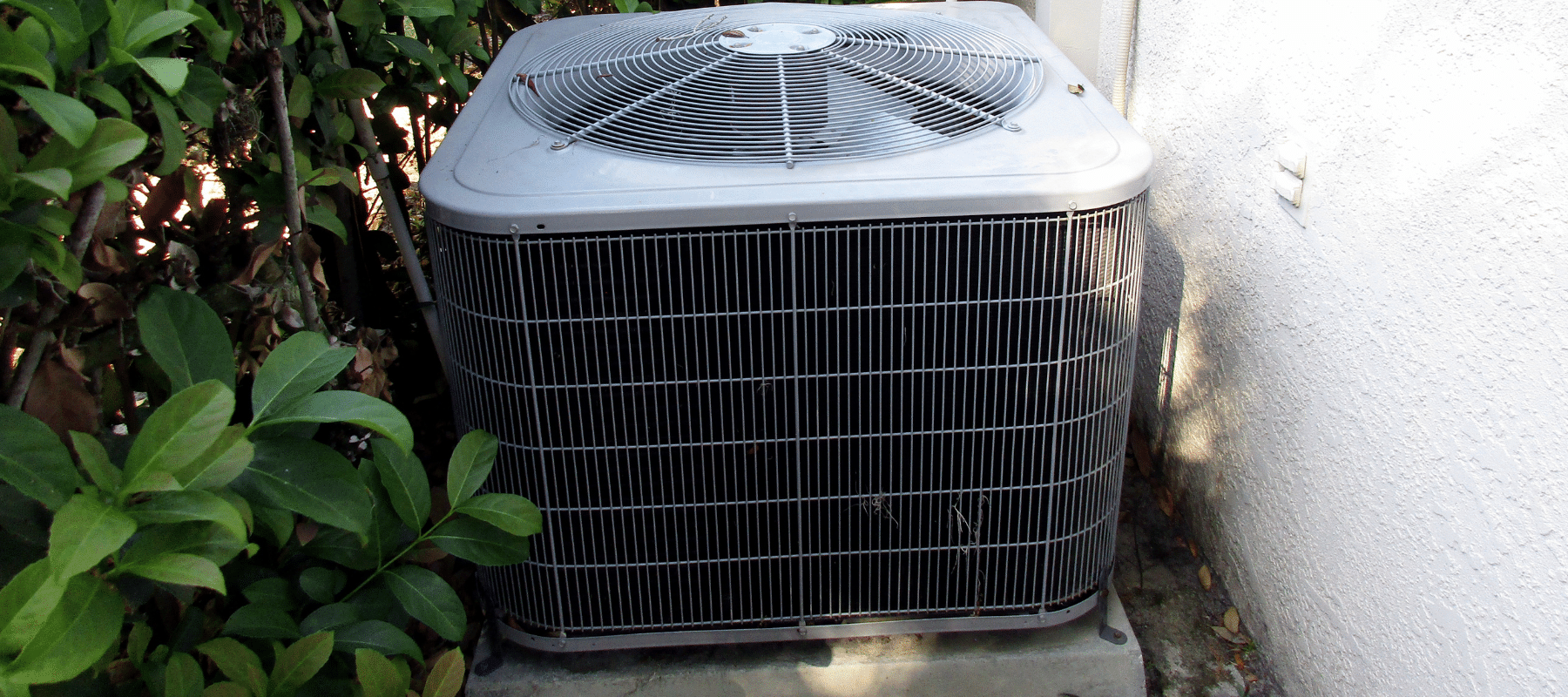
Air Conditioning Services
AC Installation & Replacement in San Antonio
Central AC and Heat Pump Installation
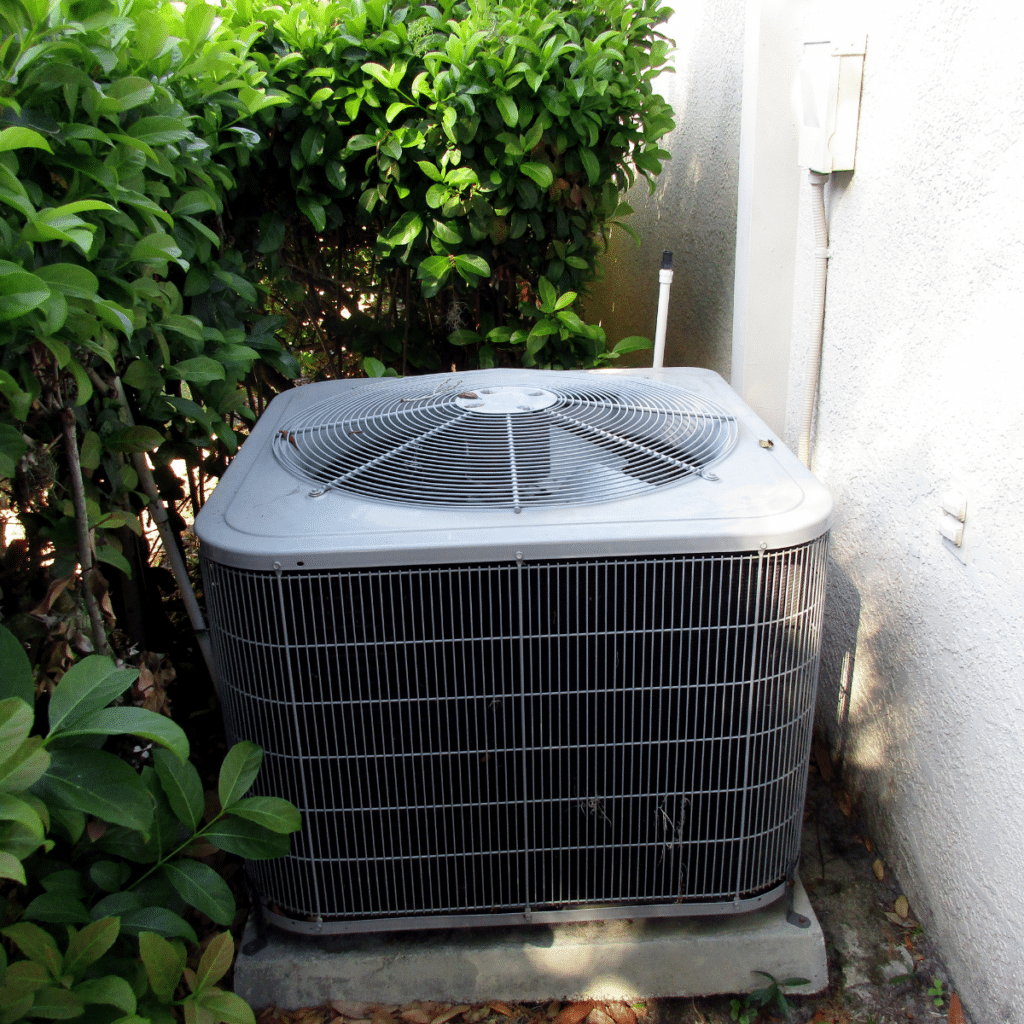
Repair or Replace: When Is It Time for a New AC?
Most AC systems in San Antonio last 10 to 15 years. Ours run hard most of the year, so they tend to land on the shorter end. It’s usually time to replace when:
- The system is 10 to 15 years old and repairs are getting more frequent
- A major part fails, like the compressor or the outdoor coil
- Rooms cool unevenly or the house never gets to the set temperature
- Your summer electric bills keep climbing with the same use
- The system still uses R-22 refrigerant, which is no longer made
If the system is newer and has one problem, repair usually makes more sense. We’ll tell you which way we’d go, and we offer free second opinions. See AC repair.

No upsells – if your unit can be repaired, we try to get it up and running! We even offer free second opinions to make sure you get exactly what you need.
How Much Does a New AC Cost in San Antonio?
The price depends on five things: the size of the system, the efficiency rating, the condition of your ductwork, any electrical or thermostat updates, and whether you’re replacing just the AC or the whole system. A heat pump replaces both the AC and the heating, which changes the math.
We give you a written price after we look at the house.
What Size AC Does My House Need?
Square footage is only the starting point. Insulation, attic conditions, windows, sun exposure and ductwork all change how much cooling a house needs. A system that’s too big turns on and off too often and leaves the house clammy. One that’s too small runs all afternoon and never catches up. We check all of it during the visit.
Central AC, Heat Pump or Ductless: Which Is Right for My Home?
- Central AC with a furnace: the most common setup in San Antonio homes with gas service.
- Heat pump: cools and heats in one system. A strong fit for our mild winters and for homes that heat with electric strips today. See heat pumps.
- Ductless mini split: for additions, converted garages and rooms the main system never reaches.
What Efficiency Rating Should I Get?
New AC systems are rated in SEER2. In Texas, the federal minimum for a new split-system AC is 14.3 SEER2 for most homes, or 13.8 SEER2 for larger systems of 45,000 BTU and up (DOE). A higher rating costs more upfront and less to run. Because San Antonio runs the AC most of the year, efficiency pays back faster here than in cooler cities.
What Refrigerant Do New AC Systems Use?
Most new systems use newer refrigerants like R-454B or R-32. Under a 2026 EPA rule, R-410A units built before 2025 can still be installed until existing supplies run out (NAHB). Ask which refrigerant your quote uses. Our post on new AC refrigerants explains what it means for you.
What Happens on Installation Day?
- In-home assessment. We check the current system, ductwork, electrical and the comfort problems that made you call.
- Options and written price. We go over system types and efficiency levels, with no pressure.
- Installation. Most replacements take one day. We remove the old equipment, install the new system and keep the work area clean.
- Testing and walkthrough. We test the system, show you the thermostat and explain basic upkeep before we leave.


Financing, Rebates and Our Price Assurance Guarantee
We offer financing for qualifying customers. On qualifying installs, if you get an equivalent written estimate from a reputable competitor, we’ll beat it by up to 10%.
The federal energy efficiency tax credit for AC and heat pumps ended for systems installed after December 31, 2025 (IRS). CPS Energy has offered heat pump rebates to its customers, so check before you buy.


Keeping Your New System Running
A new system does best with a tune-up every spring and a clean filter every 1 to 3 months. Our Air Care Membership covers yearly tune-ups.
Why San Antonio Homeowners Choose Air & Drain Works
- Honest recommendations, including telling you when repair makes more sense
- Free second opinions before you commit
- Licensed technicians who size the system to your house, not the last one
- Local, and plumbers too, so one call covers the whole house
Ready for a New AC?
Call Air & Drain Works at (210) 404-7723 or book online for an in-home estimate.
Book AppointmentAC Installation FAQs
How Much Does It Cost to Replace an AC in San Antonio?
It depends on system size, efficiency, ductwork and any electrical work. We give you a written price after we look at the house.
How Long Does an AC Installation Take?
Most replacements are done in one day. Duct changes, electrical upgrades or a new system layout can add time.
Do I Need to Replace My Furnace or Air Handler Too?
Not always, but the indoor and outdoor parts need to be matched to work at their rated efficiency. We’ll tell you if your current indoor equipment can stay.
Should I Get a Heat Pump Instead of a New AC?
In San Antonio, often yes, especially if you heat with electric strips today. A heat pump replaces both the AC and the heater. If you have gas, a dual fuel system is another option.
Do I Need a Permit to Replace My AC?
Some AC replacements require a permit and inspection, depending on the scope of work. We’ll tell you what applies to your job.
Looking for more than AC Installation?
More Air Conditioning Services

AC Maintenance
Yearly AC tune-ups that keep your system efficient and reliable.

AC Repair
Stop suffering from the heat. Let us fix your AC!

Air Duct Cleaning
Same-day air duct cleaning with optional sanitizing.
Duct Installation & Insulation
Get your ducts in a row with duct installation!
Emergency AC Repair
24/7 Emergency Air Conditioning Repair

Heat Pumps
Heating AND cooling? Even better than PB&J!
Indoor Air Quality
Breathe deeply with clean air in your home!
Other Services We Offer