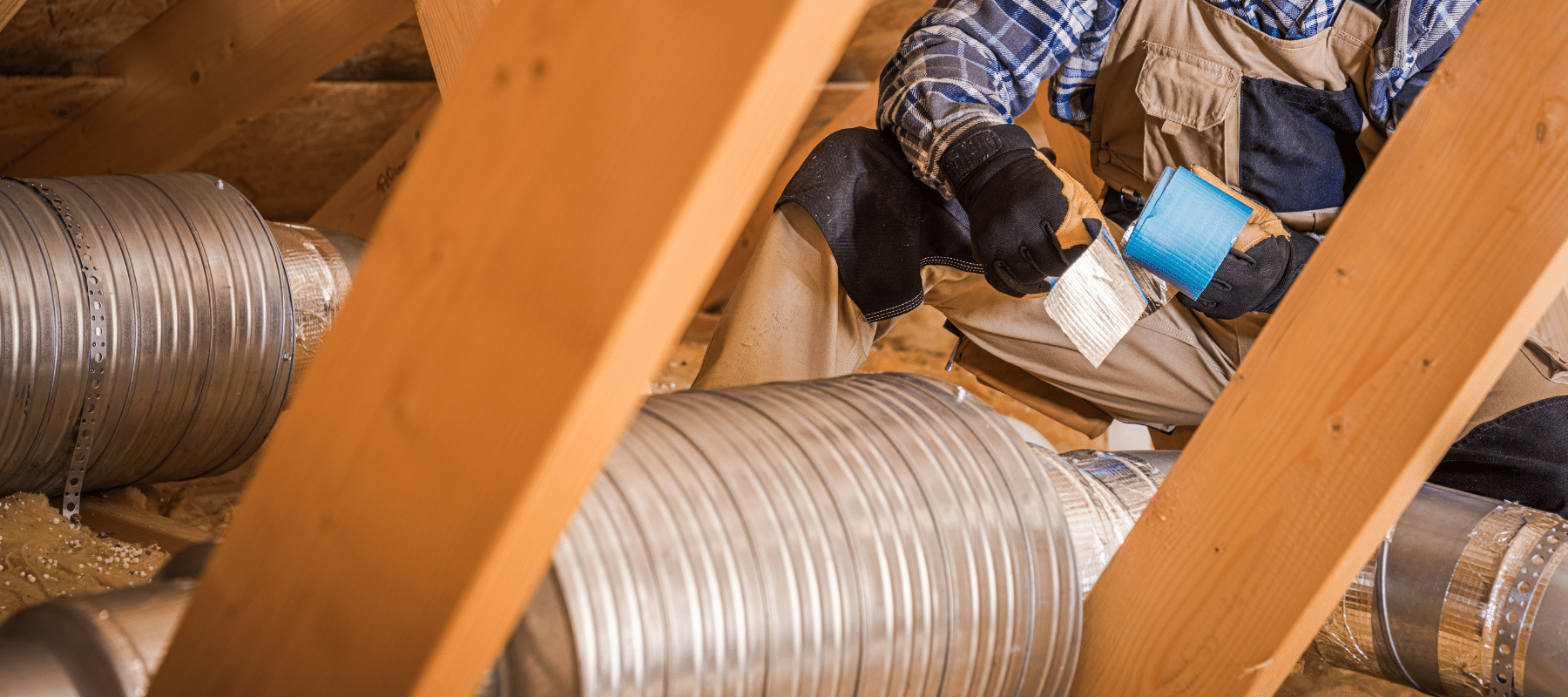
Air Duct Installation in San Antonio, TX
A room that never gets cool enough can make the whole house uncomfortable. Weak airflow, damaged ductwork, loose connections, or poorly insulated ducts leave your HVAC system working through a distribution system that is not doing its job.
Air & Drain Works provides professional air duct installation in San Antonio for homeowners who need new ductwork, replacement ducts, or better insulation around existing duct runs. Our technicians evaluate the system, explain what they find, and recommend the work that makes sense for your home.
Need help with your ductwork? Schedule service with Air & Drain Works today!
Get Better Airflow With Professional Duct Installation in San Antonio
Your HVAC equipment creates conditioned air. Your ductwork has to deliver it throughout the house.
That sounds simple, but the design and condition of the duct system can make a noticeable difference in how comfortable each room feels. Duct size, routing, connections, support, sealing, and insulation all affect how air moves from the HVAC system to your vents.
Poor duct performance can show up as weak airflow, rooms that stay warmer than the rest of the house, excessive noise, or an HVAC system that keeps running without getting every room comfortable.
Air leaks can also waste conditioned air before it reaches the living space. ENERGY STAR estimates that a typical home can lose 20% to 30% of the air moving through its duct system to leaks, holes, and poorly connected ducts.
A properly planned duct installation in San Antonio gives your heating and cooling equipment a better path for moving air where it needs to go.
Signs Your Home May Need New Air Ducts
Duct problems are not always visible from inside the house. Often, the first clue is how the home feels.
Some Rooms Stay Hot While Others Feel Comfortable
One bedroom feels fine, but another never seems to cool down. You lower the thermostat, yet the same room stays warm. Uneven temperatures can have several causes, including HVAC equipment issues, insulation problems, and ductwork that is leaking, restricted, damaged, or poorly configured. The right first move is an inspection that looks at the whole system instead of assuming the ducts need to be replaced.
Airflow From Certain Vents Feels Weak
Put your hand near two supply vents, and you may notice a clear difference in airflow. A crushed or kinked flexible duct, a damaged section, a disconnected joint, a restriction, or a duct sizing issue can interfere with air delivery. Tangled or kinked flexible ducts and rooms that are difficult to heat or cool are among the signs of poor duct performance. Our technicians can look for the cause and determine whether repair, modification, or replacement is the better option.
Your Ductwork Is Damaged, Sagging, or Disconnected
Visible damage deserves attention. Torn flexible duct, loose connections, crushed sections, excessive sagging, and deteriorated insulation can all affect how your system distributes air. Proper support matters, too.
You Replaced Your HVAC System But Still Have Comfort Problems
New heating and cooling equipment still depends on the duct system connected to it. If existing ducts are damaged, restrictive, poorly arranged, or mismatched to the system’s needs, replacing the equipment alone may not solve every airflow problem. It makes sense to evaluate the ductwork when new HVAC equipment goes in.
Should You Repair, Seal, or Replace Your Ductwork?
Finding a duct problem does not automatically mean you need a completely new system. The right recommendation depends on what is wrong, how widespread the problem is, and whether the current duct layout can still serve the home effectively.
Duct Repair or Sealing May Be Enough
Repair may make sense when damage is limited to specific areas and the rest of the duct system remains in good condition.
A technician may recommend targeted work when the main problem involves:
- Loose or leaking connections
- A damaged accessible section
- Minor tears or failed seals
- Isolated insulation damage
- Ductwork that is otherwise properly sized and routed
The goal is to correct the actual problem without replacing usable ductwork.
Duct Replacement May Be the Better Choice
Replacement becomes a stronger option when problems affect much of the system or when the existing layout itself contributes to poor airflow. That can include widespread deterioration, repeated failures, multiple crushed or damaged runs, poor support, major layout issues, or ductwork that no longer fits the home’s HVAC needs.
Air & Drain Works will explain what we see and why we recommend a repair or replacement. You should know what you are paying for before work begins.
What to Expect During Air Duct Installation
Good ductwork starts with understanding how air currently moves through the home.
Inspect the Existing System
We begin by looking at the current ductwork and listening to what you have noticed inside the house. Maybe the back bedroom stays hot. Airflow might drop off at one end of the house. Or you saw damaged insulation and a loose duct the last time you were in the attic. Those details help point the inspection in the right direction.
Plan the Duct Layout
Ductwork has to fit the home and work with the HVAC system serving it. The plan may account for the location of the equipment, supply and return paths, available attic or ceiling space, duct routing, and rooms with recurring airflow concerns. Squeezing another piece of duct into an open space is not the answer. Proper routing and sizing matter.
Install, Connect, Seal, and Support the Ducts
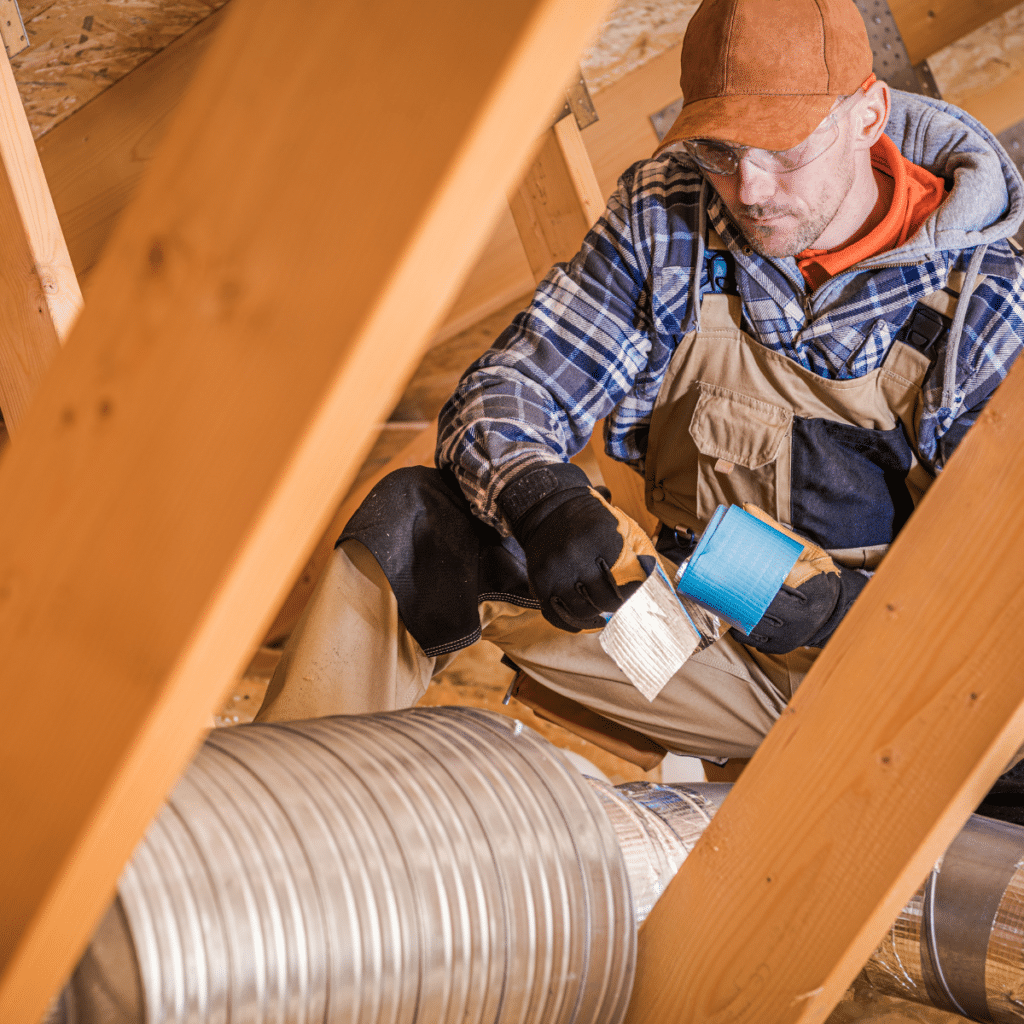
During installation, duct sections need secure connections and proper support. Connections should also be sealed so conditioned air stays in the duct system rather than escaping through joints and gaps. We recommend sealing duct leaks and connections with appropriate materials and paying particular attention to ducts in unconditioned spaces such as attics and garages.
Check the Finished System
The work is not done when the last duct is connected. Airflow and system operation should be checked after duct improvements are finished. If we find another HVAC issue affecting comfort, we will explain it so you can make an informed decision.
Duct Insulation Matters in San Antonio Attics
A large portion of a home’s ductwork may run through the attic, where it sits in air outside the home’s conditioned living space.
That makes insulation around the ductwork important.
Duct insulation slows heat transfer through the duct walls. The U.S. Department of Energy recommends sealing and insulating ducts in unconditioned spaces because insulation helps limit heat gain or loss as conditioned air travels through the system.
For a San Antonio homeowner, that matters most during long stretches of cooling weather. Cold air moving through an unconditioned attic should stay as protected as practical on its way to the rooms below.
Damaged, missing, or poorly fitted duct insulation can reduce that protection. During an inspection, we can look at both the duct itself and the condition of the insulation around it.
Duct insulation is also different from attic insulation. Attic insulation helps control heat transfer between the attic and the home. Duct insulation wraps the HVAC distribution system itself. A home may need attention in one area, the other, or both.
What Affects Air Duct Installation Cost in San Antonio?
There is no reliable one-price-fits-all answer for duct installation.
Two homes with similar square footage can have very different duct layouts and access conditions. A straightforward replacement of a few accessible runs is a different project from redesigning a large portion of a system in a tight attic.
Factors that can affect your estimate include:
- Home size and floor plan
- Amount of ductwork being installed or replaced
- Attic or installation-space accessibility
- Existing duct condition
- Changes needed to the current layout
- Number and length of supply and return runs
- Duct material and insulation requirements
- HVAC modifications needed to complete the work properly
That is why Air & Drain Works evaluates the system before giving you a recommendation. Pricing over the phone without seeing the ductwork can lead to bad assumptions and the wrong solution.
Schedule an appointment today and let us take a look at what your home actually needs.
Ductwork Has a Tough Job in San Antonio Homes
San Antonio air conditioners spend plenty of time moving cool air through homes. If that air travels through ductwork in an unconditioned attic, the ducts are exposed to very different conditions than the rooms they serve.
Sealing and insulation help protect that conditioned air as it travels through the system. We recommend sealing and insulating ductwork in unconditioned spaces to reduce air leakage and heat transfer through duct walls.
The condition of the system matters just as much as the material itself. A well-insulated duct that is crushed or disconnected still has a problem. A properly routed duct with failed insulation may need attention, too.
That is why we look at the system as a whole.
Straightforward Recommendations From Air & Drain Works
You should not have to become an HVAC technician to understand what is happening in your own home.
Our job is to diagnose the problem, explain what we find, and give you a clear recommendation. If part of the duct system can be repaired, we will discuss that option. If the condition or layout points toward replacement, we will explain why.
Air & Drain Works is locally owned and operated, with licensed experts providing HVAC and plumbing services for San Antonio-area homeowners. Our technicians focus on professional work, clear communication, and taking care of your home.
Schedule Air Duct Installation in San Antonio
If weak airflow, damaged ductwork, poor insulation, or uneven temperatures have you wondering what is happening behind the vents, get an expert opinion.
Air & Drain Works provides air duct installation in San Antonio, along with duct replacement, duct insulation, and HVAC services to help get your home’s comfort system working the way it should.
Book Now, Call Today, or Schedule Today to have your ductwork evaluated.
Not every duct problem calls for new ductwork. If your ducts are in good shape but full of dust and debris, air duct cleaning may be all you need.
Frequently Asked Questions About Air Duct Installation
The cost depends on the home and the scope of the project. Factors can include the amount of ductwork needed, accessibility, duct layout, material, insulation, number of runs, and whether the existing system needs to be redesigned or modified.
An on-site evaluation gives the technician a chance to see the actual ductwork before recommending a solution and preparing an estimate.
Installation time varies with the size and complexity of the job. Replacing a limited number of accessible duct runs can be different from replacing or redesigning ductwork throughout a home.
Attic access, the amount of existing material that needs to be removed, the number of supply and return runs, and required layout changes can all affect the project timeline. Your technician can give you a clearer expectation after evaluating the system.
Localized problems can often point toward repair or sealing. Examples include a loose connection, an isolated damaged section, or a small number of accessible leaks.
Replacement may make more sense when deterioration is widespread, multiple runs are crushed or damaged, the duct system is poorly configured, or repeated repairs are failing to solve the underlying airflow problem.
Air & Drain Works can inspect the system and explain which option fits the condition of your ductwork.
Not automatically.
Existing ductwork may be able to stay in place if it is in good condition and works properly with the replacement HVAC system. Damaged, restrictive, poorly sized, or badly configured ducts may need repair or replacement.
Evaluating the duct system during an AC replacement helps identify airflow issues before the new equipment has to rely on the existing distribution system.
Permit requirements depend on the scope of the work and the property. The City of San Antonio notes that residential projects may require mechanical permits based on project scope, and mechanical contractors must register their state license with Development Services before receiving permits.
A professional HVAC contractor can determine which permit and inspection requirements apply to a specific duct installation project.
Ducts in an unconditioned attic are exposed to temperatures outside the home’s conditioned space. Insulation helps slow heat transfer through the duct walls so heated or cooled air stays better protected as it travels through the system. That’s why we recommend sealing and insulating ducts in unconditioned areas for this reason.
Insulation should also be properly fitted and maintained. Torn, missing, or poorly installed insulation can reduce its effectiveness.
There is no single duct material or configuration that is right for every house.
The right choice depends on the home’s layout, HVAC equipment, available installation space, required airflow, duct routing, and local installation conditions. A technician should evaluate those factors before recommending the duct material and design for your system.
More Air Conditioning Services

AC Installation

AC Maintenance

AC Repair

Air Duct Cleaning

Heat Pumps
Indoor Air Quality