Reviewed by Joe Espinoza, HVAC Field Supervisor at Air & Drain Works. Licensed by the Texas Department of Licensing and Regulation, ACR license TACLB00127577E.
Your air ducts are out of sight, so most people don’t think about them until something seems off. The house is dusty again two days after you clean. The air conditioner smells stale when it kicks on. The sneezing starts as soon as you walk in the door.
If you’re trying to figure out how to tell if your air ducts need cleaning, these are the signs we see most often in San Antonio homes:
- Dust and dark rings around your vents
- Dust that comes back right after you clean
- A musty smell when the AC turns on
- Allergy symptoms that act up more at home
- Rooms that never feel comfortable
- Air filters that clog in a few weeks
- Signs of pests in the ductwork
Some of these mean it’s time for air duct cleaning. A couple point to a different problem with your HVAC system. Here’s how to tell which is which.
Why Ductwork Gets Dirty Faster in San Antonio
In much of the country, the air conditioning runs a few months a year. Here it barely gets a break. San Antonio’s average last 90-degree day is October 19, so most HVAC systems run hard from spring into fall, then switch over to heat.
Every hour your system runs, it pulls dust, pet hair, pollen and lint in through the return vents. The air filter catches most of it. What gets past the filter settles inside the ductwork, and over a few years that adds up.
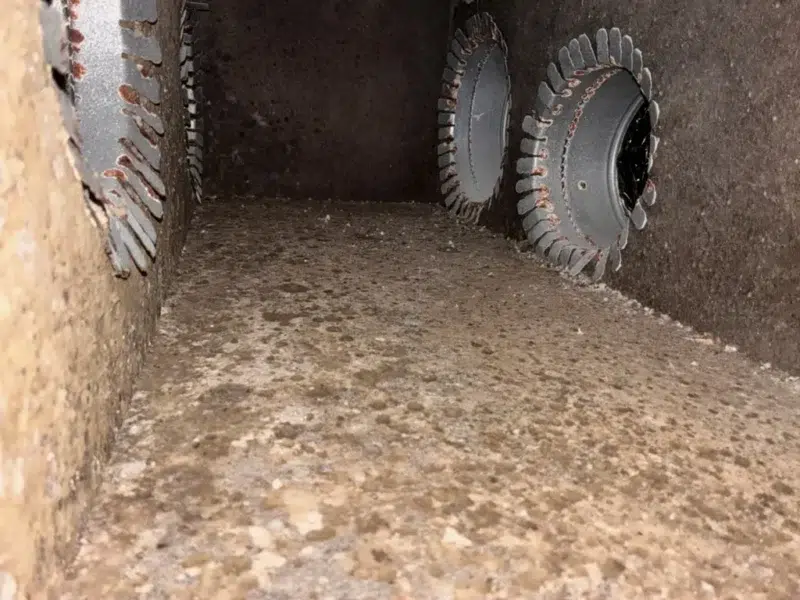
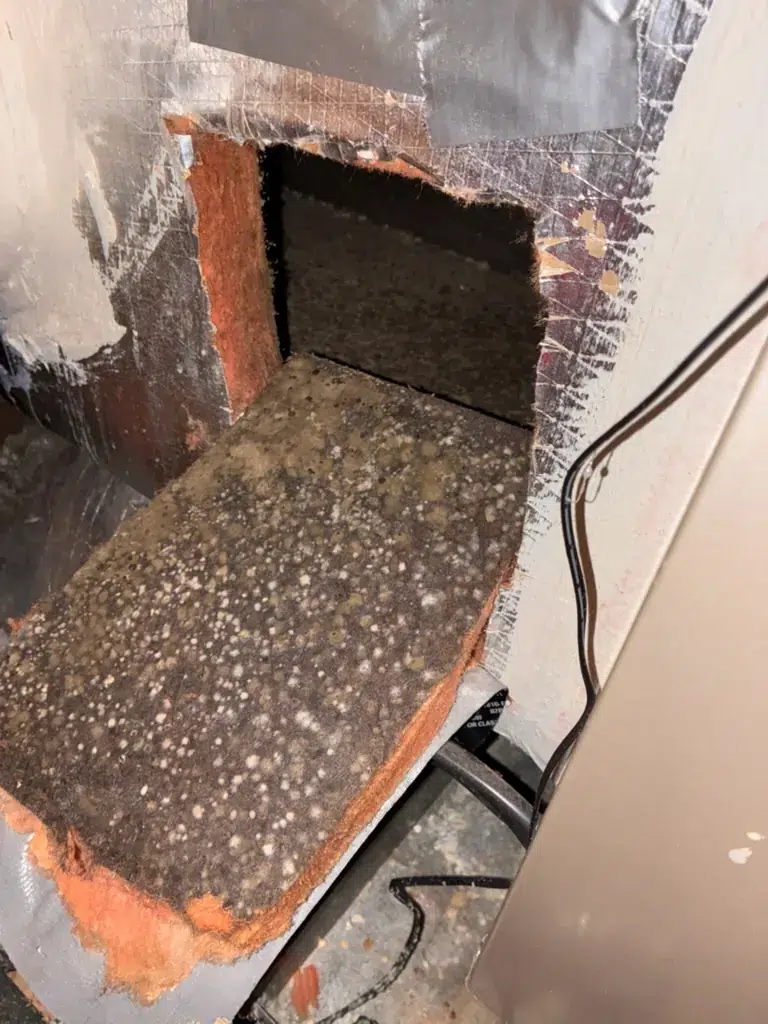
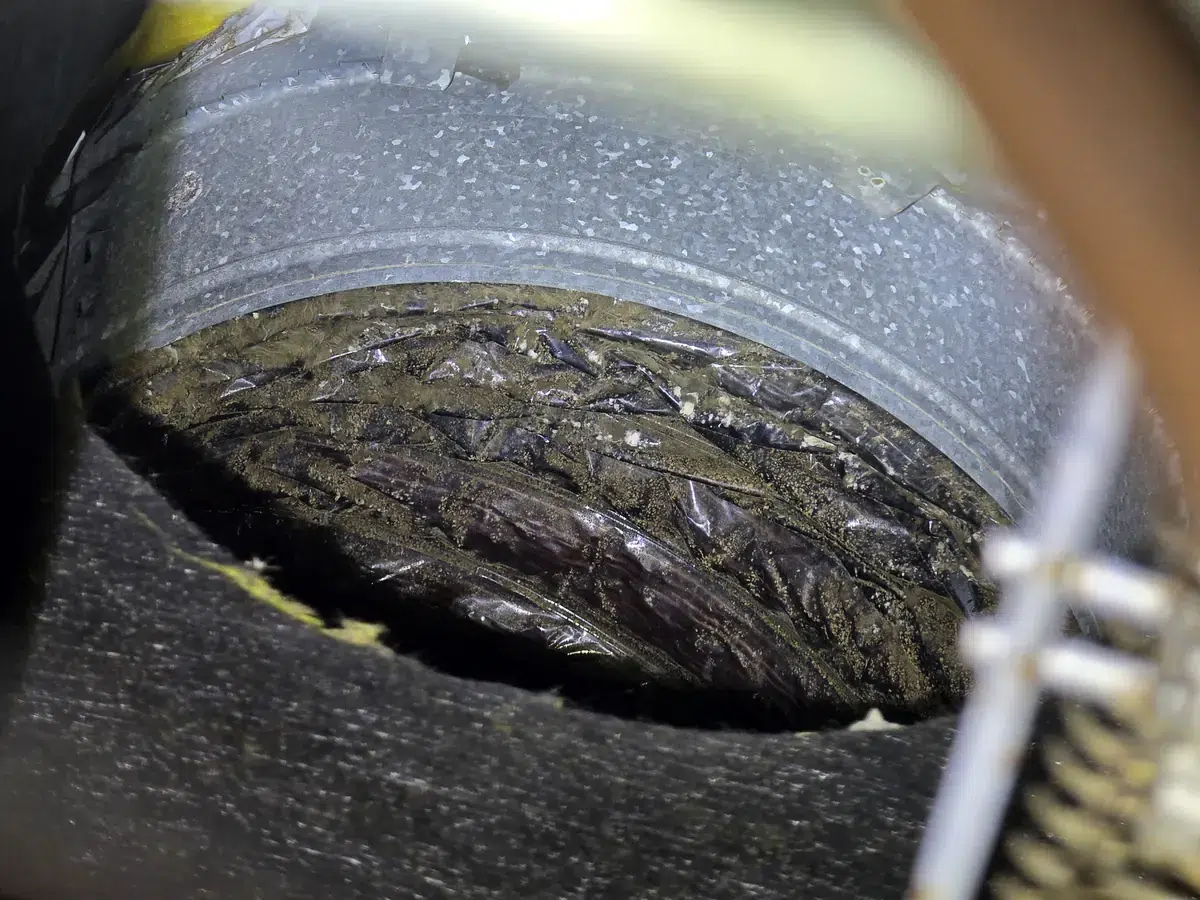
In San Antonio the most common issues we come across in ductwork is the biological growth of “Duct Mold” and pest droppings contaminating the air we breathe in our homes. In some cases it’s so severe that a cleaning, simply is not sufficient and can actually spread spores throughout the home. A complete inspection of the ductwork is recommended before disturbing any possible growth.
Joe Espinoza, HVAC Field Supervisor
1. Dust and Dark Rings Around Your Vents
Dirty air vents are usually the first thing people notice. Look at the vents on your ceiling. Gray fuzz on the grille, or a dark ring on the drywall around it, means dust is blowing out with the air.
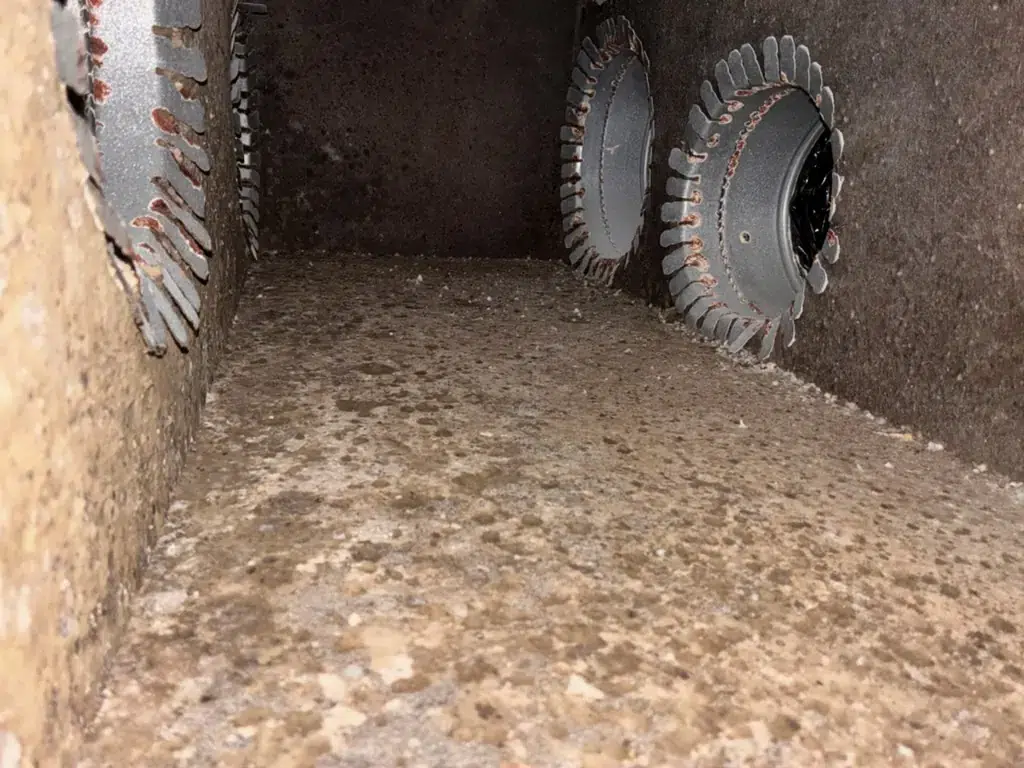
To check, take one vent cover off and shine a flashlight inside. A thin layer of dust is normal. Thick, matted buildup you can scrape with a finger is a sign of dirty ductwork and a reason to have the system looked at.
2. Dust That Comes Back Right After You Clean
If the TV stand, shelves and baseboards are dusty again a day or two after you wipe them down, dirty air ducts may be part of the problem. Your HVAC system moves the same air through the house over and over. When dust has built up inside the ducts, every cycle sends some of it back into your rooms.
Pets, a recent remodel and leaky return ducts in the attic all make this worse.
3. A Musty Smell When the AC Turns On
A musty smell for the first few minutes after the air conditioner starts usually comes down to moisture. Your AC pulls humidity out of the air as it cools. That condensation collects on the evaporator coil, drips into a drain pan and runs outside through the condensate drain line.
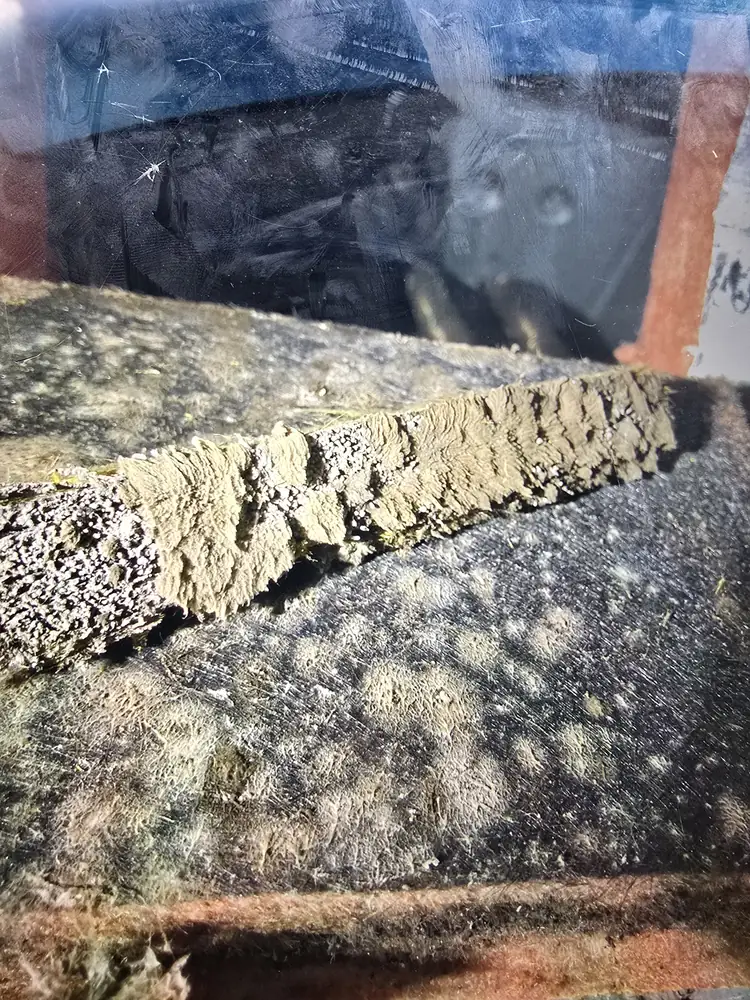
If the drain line clogs, water sits in the drain pan right next to the coil. With San Antonio’s humidity, that’s an easy place for mold growth and mildew to start, and dirty AC ducts hold onto the smell and spread it through the house.
If you see dark spots that look like mold on your vents or inside the ductwork, have an HVAC technician check it instead of scrubbing it yourself. Disturbing mold can send mold spores into the air.
One exception: a dusty, burning smell the first time you turn the heat on each fall is usually dust burning off the furnace or heat strips, and it should fade within a few minutes.
If it doesn’t, read our guide to furnace burning smells.
4. Allergy Symptoms That Act Up More at Home
Fall in San Antonio brings ragweed and mold, and mountain cedar season runs from December through February. If your sneezing and itchy eyes ease up when you leave the house and come back once you’re home, take a look at your indoor air quality.
Dirty air ducts can keep pollen, pet dander and mold spores moving through the house. To be straight with you, the EPA says duct cleaning “has never been shown to actually prevent health problems.” Still, if your ducts are visibly dirty and someone at home has allergies or asthma, getting them cleaned is a reasonable step. Pair it with a better air filter and other indoor air quality upgrades that trap allergens.
5. Rooms That Never Feel Comfortable
One bedroom always runs warm, or the airflow from a vent feels weak. People often blame this on dirty air ducts, and usually something else is going on.
Dust rarely builds up enough to block airflow on its own. The more common cause is ductwork in the attic that’s leaking, crushed or disconnected. ENERGY STAR estimates that in a typical house, about 20 to 30 percent of the air moving through the duct system is lost to leaks, holes and poor connections. That calls for duct repair or sealing, and cleaning won’t fix it. If it’s mostly the heat that won’t reach certain rooms, see our post on uneven heating.
6. Air Filters That Clog in a Few Weeks
Check how long your air filter has been in. A standard 1-inch filter should last 1 to 3 months. A 4-inch media filter usually lasts 6 to 12 months.
If a new filter turns gray in two or three weeks, more dust is moving through your HVAC system than it should be. Dirty ductwork can be part of that. So can return ducts pulling in attic air through gaps, which also cuts airflow and is worth checking at the same time.
7. Signs of Pests in the Ductwork
Scratching in the ceiling, droppings near a vent or a bad smell that won’t go away can mean mice, rats or insects have gotten into your ductwork. It’s more common in fall, when rodents look for somewhere warm.
A new filter won’t solve this one. The EPA lists vermin in the ducts as one of the clear reasons to have them cleaned. The ducts need to be cleaned and sanitized, and the openings need to be sealed so it doesn’t happen again.
How Often Should Air Ducts Be Cleaned?
There’s no fixed schedule. The EPA recommends cleaning only as needed, and says it’s time when you find:
- Substantial visible mold growth inside the ducts
- Rodents or insects in the ductwork
- Ducts clogged with excess dust and debris
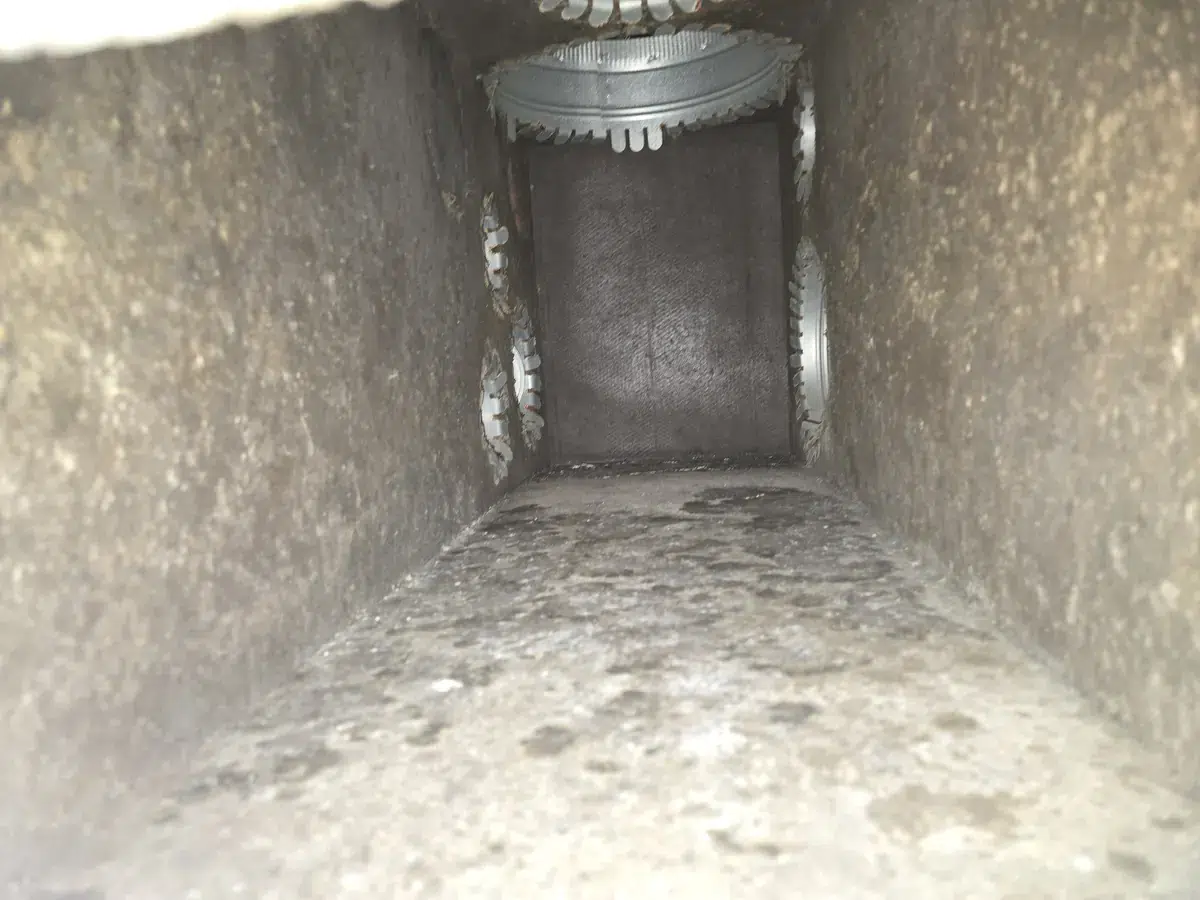
NADCA, the duct cleaning industry’s trade association, adds that pets, smokers, allergies or asthma, water damage and recent renovations all call for cleaning more often. For a typical home without those factors, many HVAC pros use 3 to 5 years between having the air ducts cleaned as a rule of thumb.
If you bought an older home and don’t know when the ducts were last cleaned, have them inspected before deciding on professional duct cleaning.
Why Fall Is a Good Time to Check
Your air conditioner just finished its longest stretch of the year, and the furnace or heat pump is about to take over. Scheduling air duct cleaning now clears out summer’s dust before heating season pushes it through the house.
Getting your ducts cleaned also pairs well with a fall AC tune-up or heater maintenance visit. One HVAC technician can check the whole HVAC system in a single trip, including the condensate line and drain pan.
Frequently Asked Questions
How do you know if your air ducts need cleaning?
Take off a vent cover and look inside with a flashlight. Thick dust, debris, pest droppings or anything that looks like mold growth means they need attention. Dark rings around dirty air vents and filters that clog fast are other signs.
Can dirty air ducts cause allergies?
Dirty air ducts can keep dust, pollen, pet dander and mold spores circulating, which can make allergy symptoms worse indoors. Cleaning isn’t a cure on its own, but it helps when the ducts are visibly dirty.
Will duct cleaning get rid of the dust in my house?
It removes the buildup inside the ductwork that keeps blowing back into your rooms, so most people notice less dust. Some dust comes from everyday life no matter what. A good air filter, changed on schedule, keeps it from building back up.
Can I clean my air ducts myself?
You can vacuum the vent covers and the first few inches of each opening. To fully clean air ducts, you need equipment that pulls the system under negative pressure while brushes loosen the buildup, so that part is a job for professional duct cleaning.
Can a clogged AC drain line cause a musty smell?
Yes. Water from the evaporator coil is supposed to drain outside. When the condensate drain line clogs, condensation and humidity stay inside the air conditioner, which can lead to mold and a musty smell in the ducts. Having the drain line cleared during a tune-up helps prevent it.
Get Your Air Ducts Checked
If you’re seeing two or more of these signs, have someone take a look. Air & Drain Works provides air duct cleaning in San Antonio and surrounding areas, with a 4.9-star rating from more than 900 Google reviews. Our technicians will show you what they find, and they’ll tell you if the real problem is a leaky duct or a clogged drain line instead. Call (210) 239-9445 to schedule.